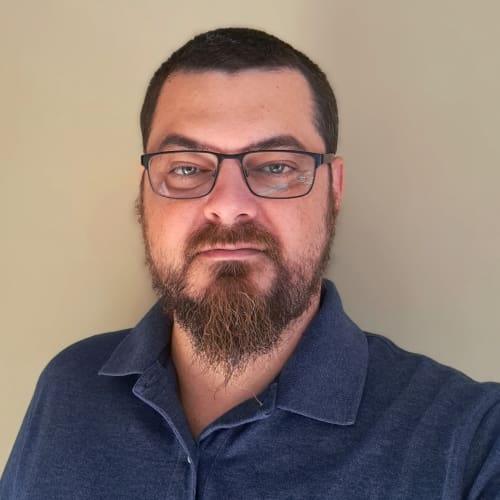
I’m a software engineer based in Athens with over 20 years of experience building backend systems. I’ve worked across learning platforms, reservation engines, marketplaces, and e-commerce. Software architecture is where I focus most of my technical energy. I design systems that can handle real-world complexity, adapt under pressure, and stay reliable when traffic spikes or requirements shift without warning.
These days, I’m working on TalentLMS with a solid team, building systems that serve actual business needs and can hold up over time. I lead development teams, deal with integrations that should be simple but never are, and handle the kind of technical work that keeps projects stable, maintainable, and moving forward when things get complicated.
A behind-the-scenes look at the large-scale refactoring of TalentLMS, a learning management platform with deep roots and tight constraints.
This talk covers how we tackled deeply embedded technical debt while keeping the system live and teams shipping. It walks through the architectural shifts we made, from monolith to modulith, and the cultural shifts that made those changes possible.
Alongside code, we had to refactor trust, habits, and communication. Equal parts technical and human, this is a story about moving forward without breaking what still works.
Architectural Katas were created by Ted Neward to solve a problem: architects rarely practice their craft. Most people design systems only a handful of times in their careers, so they never develop the judgment that comes from repetition.
The kata format creates those practice opportunities. Teams work on realistic architectural problems, make design decisions, and defend those decisions when challenged. The learning happens when you see other teams solve the same problem differently and understand the assumptions behind each approach.
We run these sessions at Epignosis because our engineers need that practice too. It’s one of the few ways to develop architectural judgment outside of production systems.
This workshop is for anyone who wants that practice. You might be a developer learning to think architecturally, a tech lead seeking feedback on your decisions, or an architect wanting more repetitions. The format works because it forces clear articulation and exposes you to alternatives.
A discussion of building global success and how artificial intelligence is transforming the world.